Margin and Optimization
Scene 1. Pawpsicles
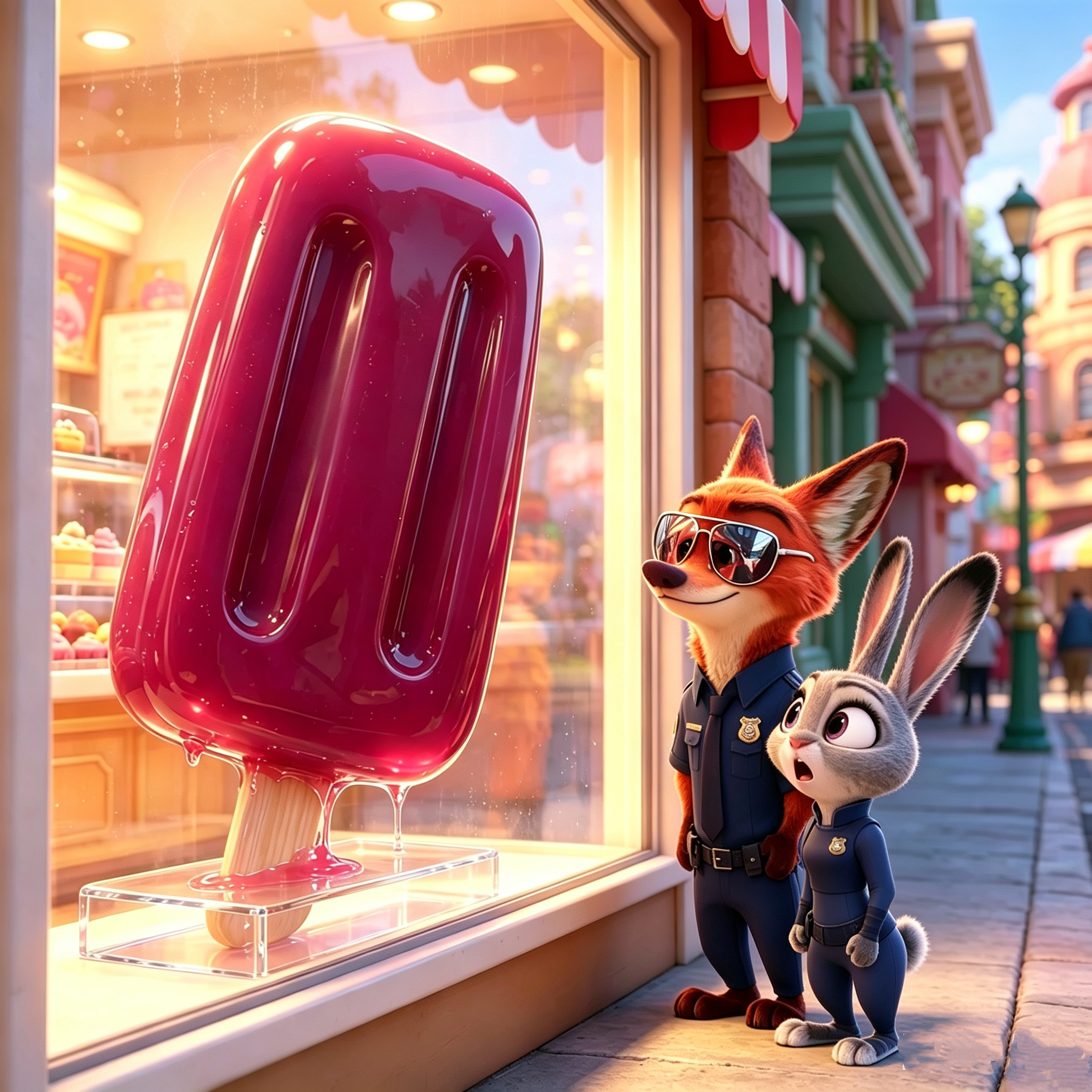
When Nick was little, he loved pawpsicles. He used to watch the little lemmings in the office buildings enjoying their pawpsicles, and he was always so jealous. But he didn’t have much allowance, so he could only afford one pawpsicle a week.
Judy said, “Now that you’ve made money, you must buy tons of pawpsicles, right?”
Nick said, “Actually, I don’t buy a single one anymore.”
“Huh? Why not?”
“Because now I only eat the jumbo-sized ones!”
Scene 2. Chief Bogo
Many years ago, when Chief Bogo was still Captain Bogo, his team had only three officers: one was in charge of tracking suspects, one was in charge of solving clues, and one was in charge of making the arrest.
Back then, Captain Bogo always felt that his team was too small. He often wished he had a team of ten officers. With more officers tracking suspects, no criminal would be able to escape. With more officers analyzing clues, no important detail would be missed. With more officers joining an arrest, even the toughest criminals would have no choice but to surrender.
Years later, Captain Bogo became Chief Bogo, leading hundreds of officers across Zootopia.
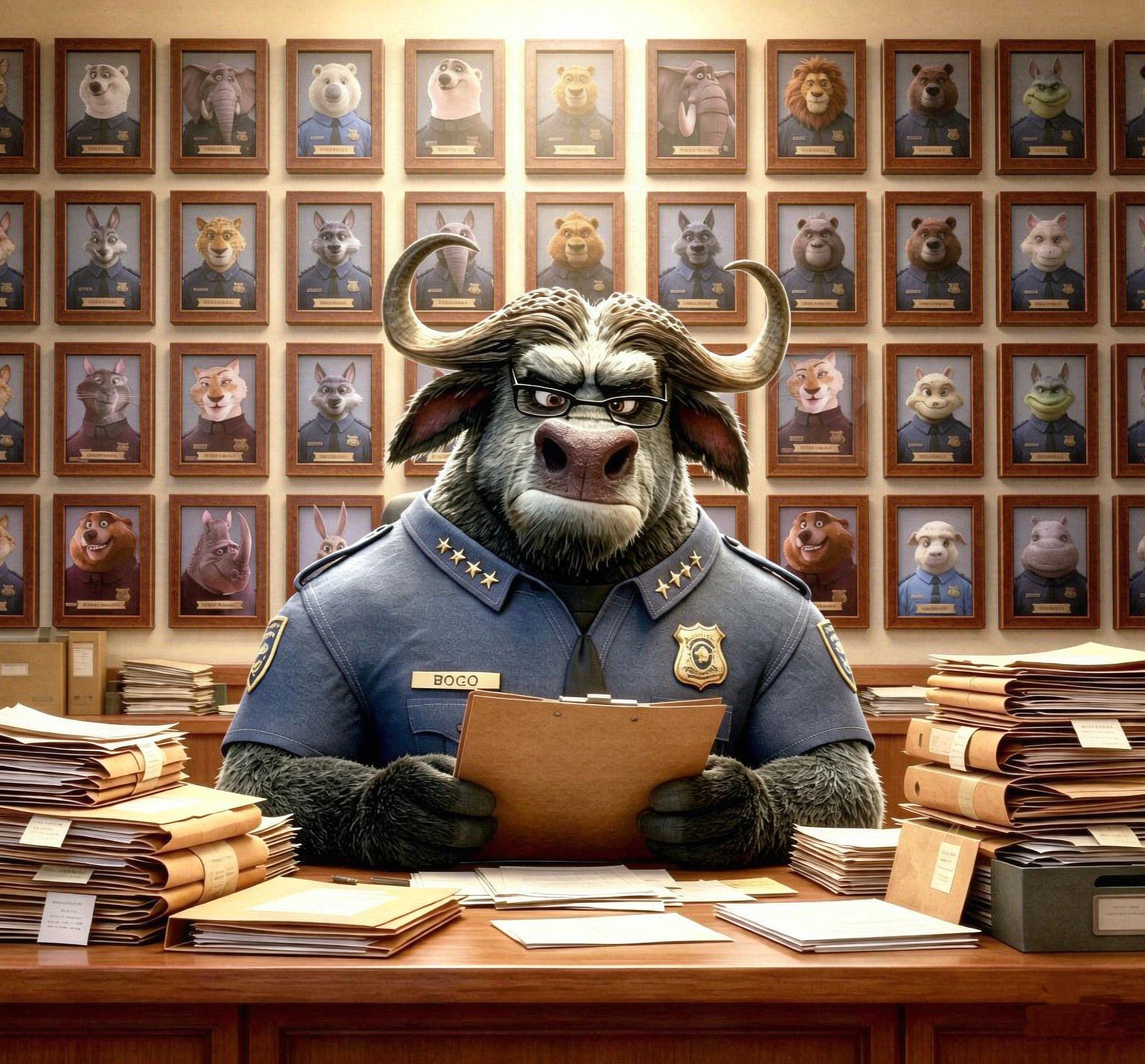
One day, Mr. Tiger, one of Gazelle’s backup dancers, went missing. Mayor Lionheart ordered Chief Bogo to solve the case by that afternoon.
“I’ve given you three hundred men,” the mayor said. “How could this case possibly be difficult?”
Chief Bogo shook his head.
“That’s exactly the problem. Having more officers doesn’t always make the case easier. Sometimes, it makes it even harder.”
“When too many officers track a suspect, they are more likely to be noticed, giving the criminal a chance to escape. When too many officers work on the same clues, everyone starts arguing, and no one can reach a conclusion. When too many officers join an arrest, citizens may panic, creating even more problems in the city.”
Having too few people can make solving a case difficult. But having too many can be a problem too.
Scene 3. Partners
To solve that case, Chief Bogo assigned Officer Leopard as the captain, with Judy and Nick as her teammates and Benjamin Clawhauser as their backup.
At the beginning, Officer Clawhauser felt a little discouraged. He complained to Chief Bogo:
“You’ve already assigned the best captain and best officers to the frontline, so how can I help them? Probably I will just end up cheering for their success with my donuts. Sometimes I wonder if the police department would be better off without me.”
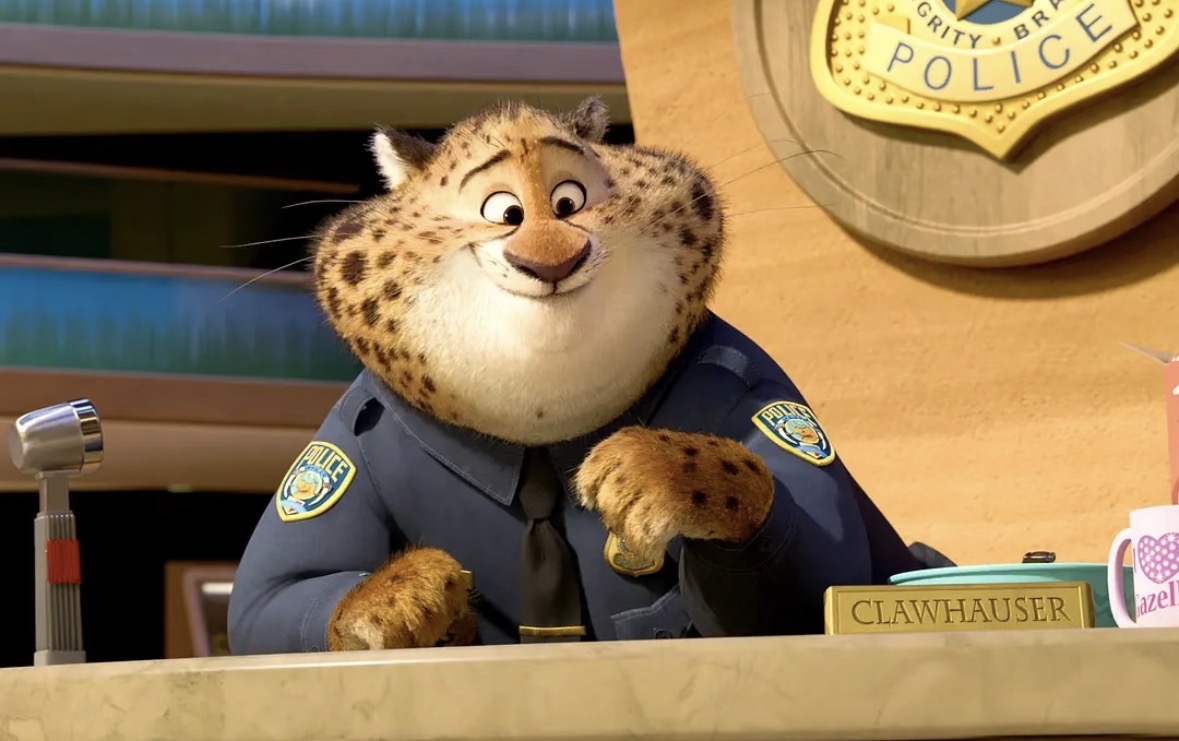
Chief Bogo was not very surprised, and he asked: “So you think we would be better off if all of our officers were like Captain Leopard?”
“Of course… She’s the best among us. Wonderful speed, strength, and wisdom. She is extremely efficient.”
“Well, she is indeed one of our best officers, but that doesn’t mean she’s perfect.
She runs fast, but she is not as flexible as Judy in crowded spaces. She is clever, but Nick is better at thinking outside the rules. She works very efficiently, and that’s good when her teammates are in danger, but efficiency alone is not enough. A good team also needs someone who can be patient, calm others down, and give them time to explain their situation clearly. That is exactly why you are important.”
Because no one is perfect, and no one can handle everything, everyone has a role to play. No matter how inferior you feel, you can always find your position and your own edge.
Scene 4. Grandma’s Recipe
When Mr. Big first arrived in Zootopia, he worked as a delivery boy for his grandmother’s home bakery, and on weekends he helped his grandma test new recipes for the best flavor.
To make the best tiramisu in Zootopia, there was a lot to consider. They needed to find the perfect soaking time for the ladyfingers, the right temperature for the espresso, the ideal amount of mascarpone, the best whipping time for the egg yolk and sugar, the right chilling time, and the best moment to add cocoa powder.
It took them ten months to finalize their recipe, and they kept it as a family secret ever since.
Mr. Big’s daughter loved sweet desserts, and recently she tried making tiramisu for fun. But after tasting her creation, Mr. Big almost called his doctor.
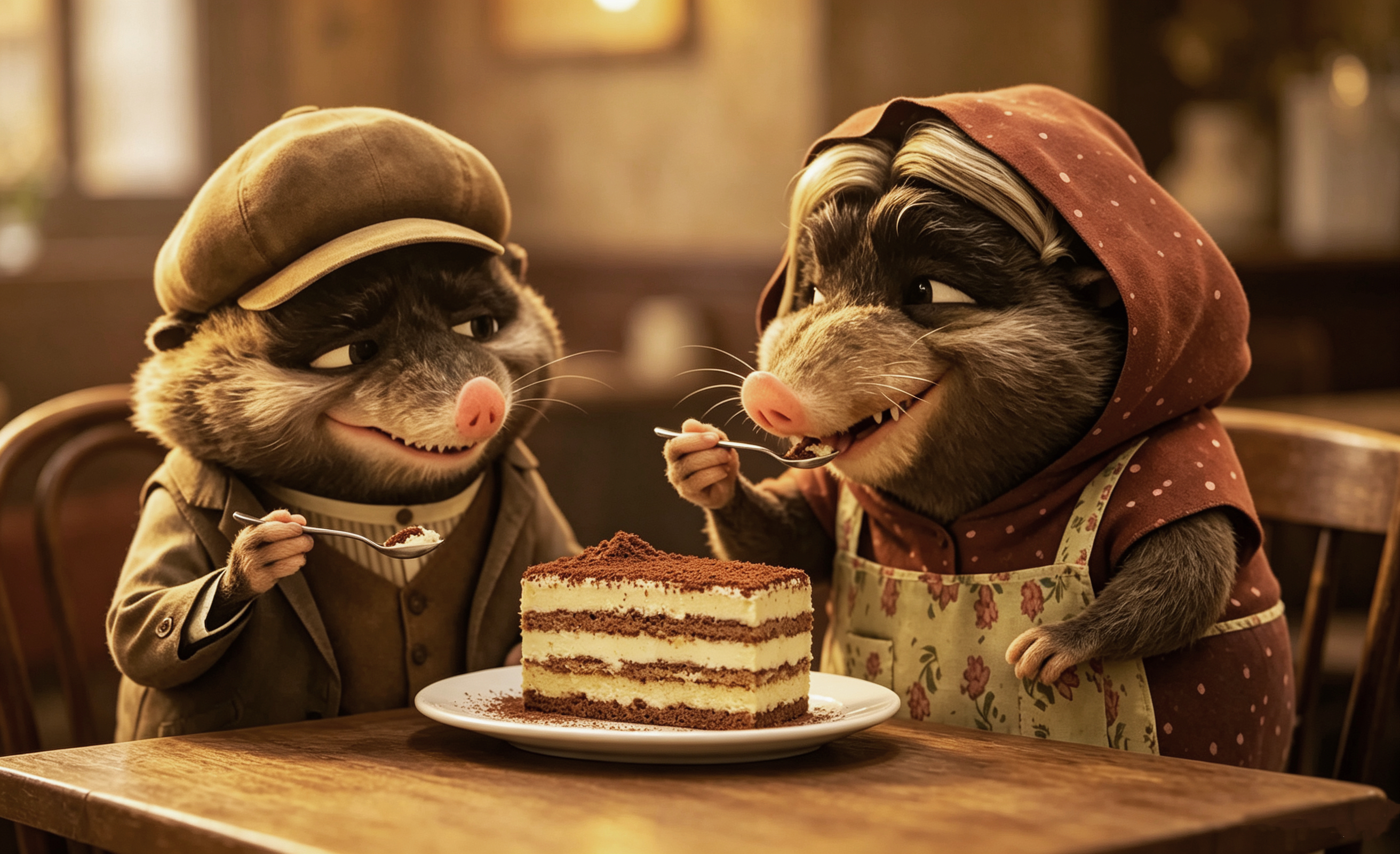
“You see, darling, every ingredient you use is nice, and of course way better than what we would use then, but more does not always mean better. I guess you probably added too much sugar.”
Mr. Big’s advice was exactly right, and his daughter improved a lot in her next attempt.
“You must be a master baker!” she said.
“Oh, you think that’s what makes someone a master? Let me tell you about my grandma. After just one bite, she could tell exactly how every factor should be adjusted.
For example, I noticed your tiramisu was too sweet, so I told you to reduce the sugar. But the real problem might not be the sugar. Maybe you did not add enough espresso. And if you add more espresso, the tiramisu might become too bitter. So in that case, less sugar is better, but more espresso and more sugar could be the best.”
To optimize your recipe, you need to think about each small change, but you also need to consider the whole system.
What Alan’s Learning
Here are some related links. Please note that they are not Alan’s direct references. Most of the content was developed based on Alan’s own understanding.
Thanks for reading! In this lecture, Alan wants to introduce one of the most interesting perspectives as an economist: think at the margin. It tells us to focus on: “What if it just changes a little?”
In the next part, Alan will introduce some basic concepts of Game Theory.
Completed at 13:45 on August 1, 2026.