Value, Price and Cost
Scene 1. Who should have the only meat?
If there is only one piece of meat today, who should eat it?
“Of course my kids.” Grug said. “I will eat only after everyone else has enough.”
Grug loved his family, but let’s think like economists.
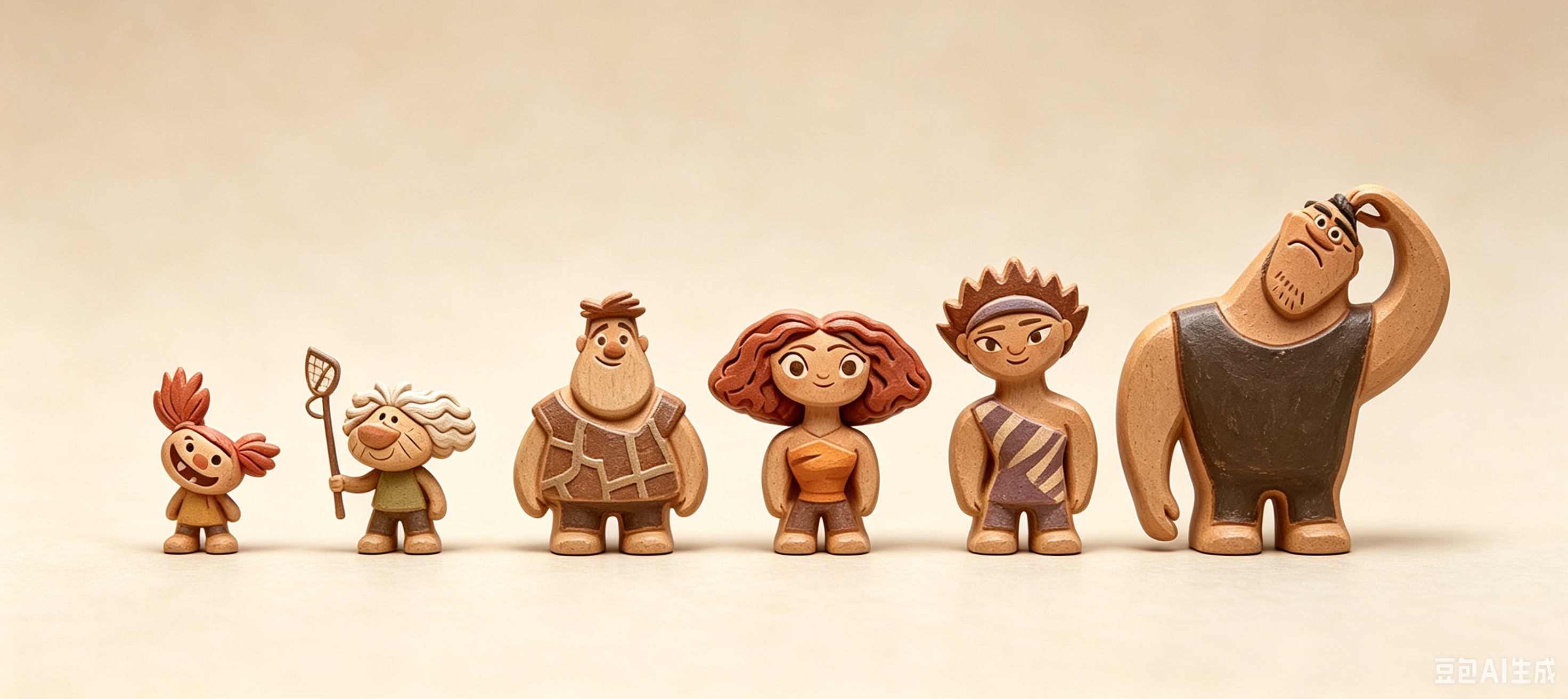
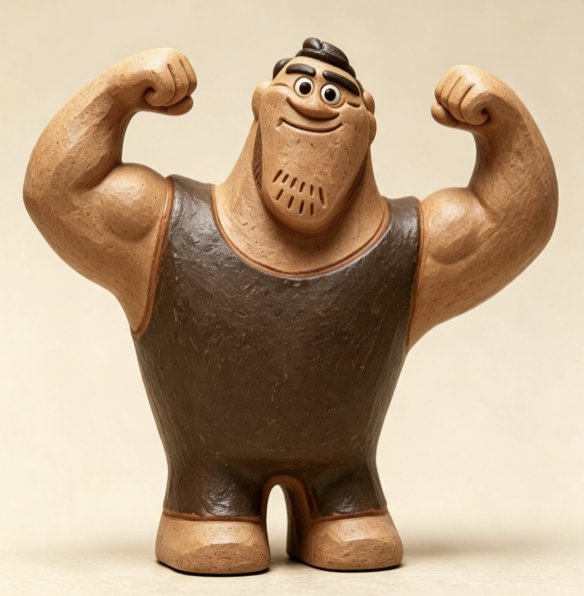
If Grug stays hungry today, he may not be strong enough to hunt tomorrow. Then the family may still not have enough food, and Grug will go hungry all over again.
But what if Grug eats the meat today? He will be stronger tomorrow. He can hunt more food, and everyone in the family can eat.
So that very piece of meat has more Future Value when Grug eats it.
It also helps the whole family. Economists sometimes describe this kind of spillover benefit as a positive Externality: one person’s choice can create benefits for other people too.
Should someone else eats the meat instead, the family may get less food tomorrow. The value they lose is the Opportunity Cost of that choice.
Scene 2. Should we buy an ax?
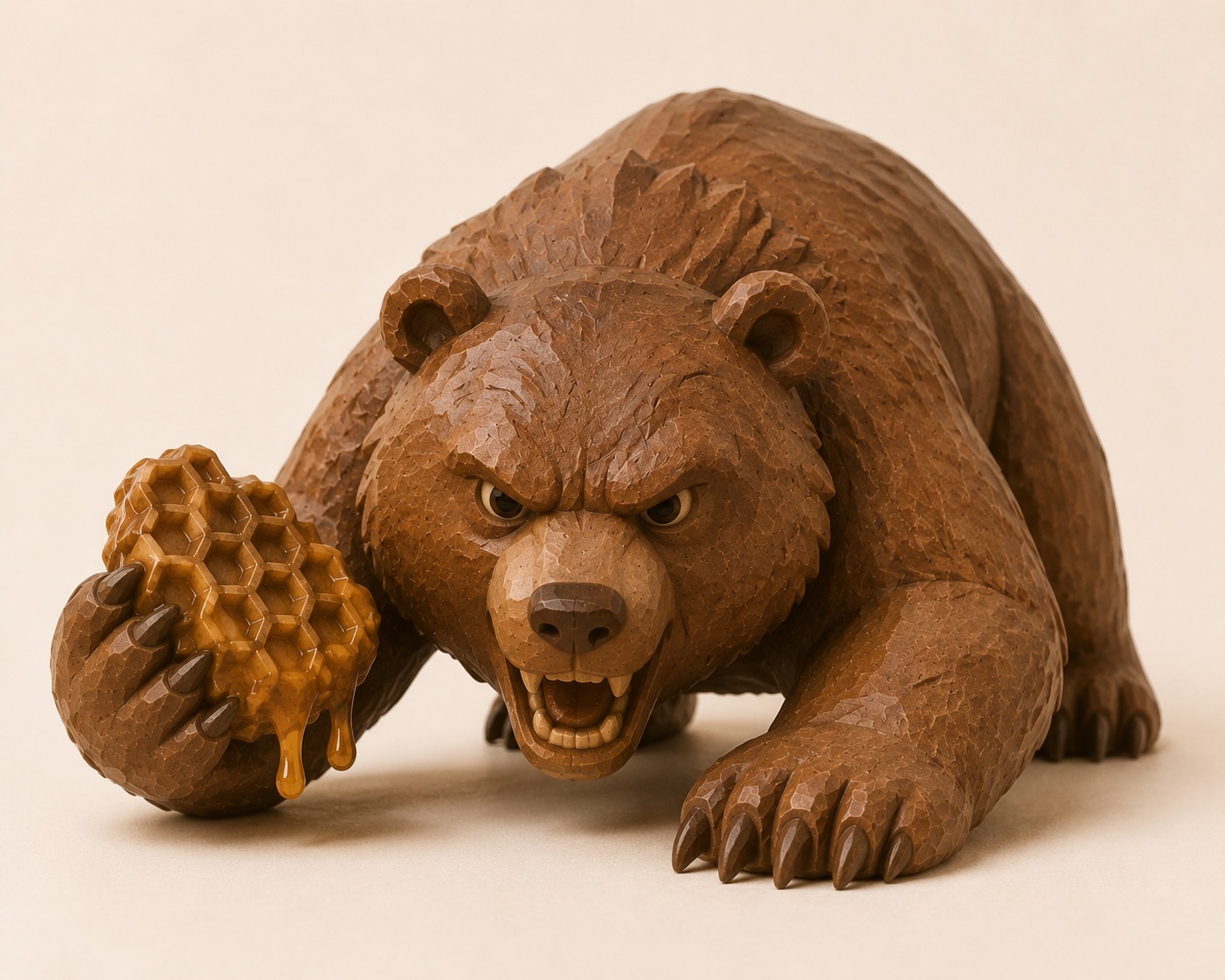
The Croods loved honey, but one day they could’t find any, because a gigantic bear had taken all of it from the honeycomb. So Grug needed to fight against the bear.
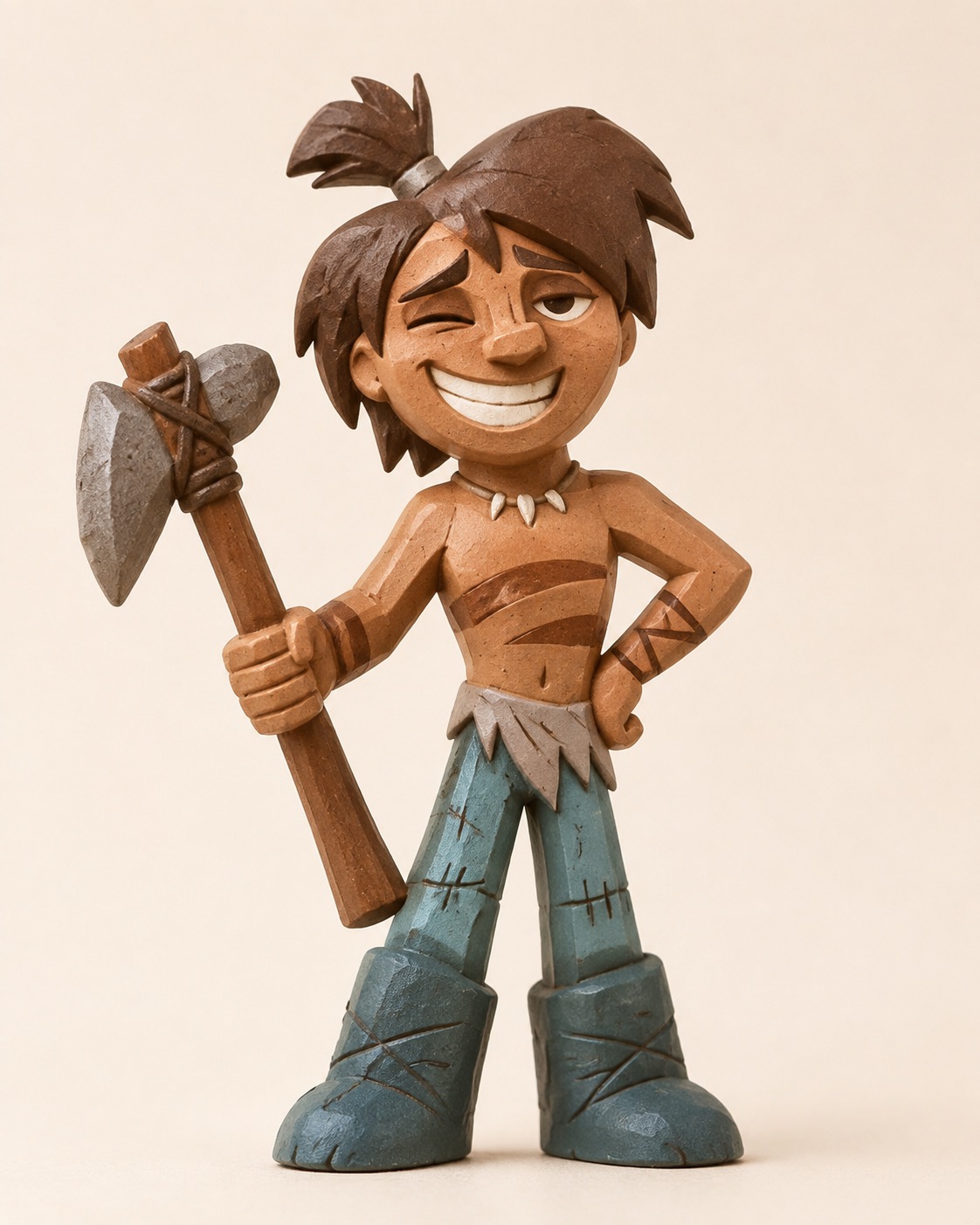
Before the fight, Guy bought an ax for him from their neighbor with 2 baskets of berries and one piece of meat.
When Grug first saw it, he was not impressed.
“Why did we buy this?” he complained. “I can beat that bear with my bare hands! Now we’ve lost two baskets of berries and a piece of meat. The price was too high!”
Guy shook his head.
“Yes, the price is high, but a nice deal is more than just price.
“With the ax on your hands, you can beat the bear much more easily. The time and energy you saved can be used in your next hunt, or you can just take a nice nap. That is the value the ax earns us right now.
“And let’s assume you don’t break the ax in your very first fight, then you can keep using it to beat the bears, chase away the boars, chop firewood and protect us in the coming future. That’s the future value the ax earns us.
“Now imagine that we don’t buy the ax. Sure, you might still defeat the bear with nothing but your fists. But the fight would probably exhaust you. You might be too tired to hunt, work, or do anything else afterward.
“So yes, without buying the ax, we could save our berries and meat. But we would lose some of your time and energy—and all the other benefits the ax could have brought us.”
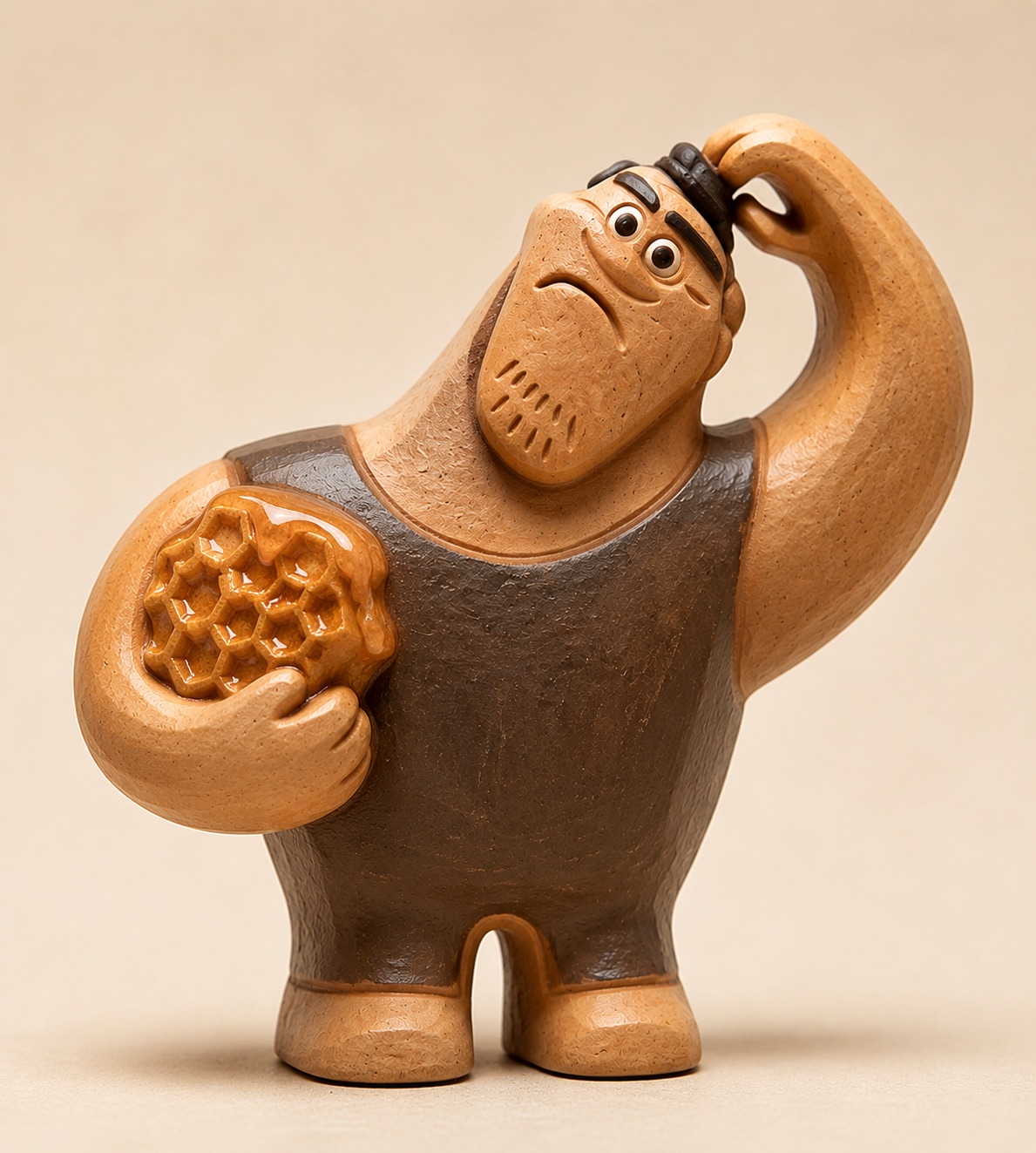
Grug understood nothing about Guy’s nagging.
But he did understand one thing: with the ax, he defeated the bear surprisingly easily.
In fact, the bear was so terrified of Grug swinging that enormous ax that it never dared to steal honey from his family again.
Scene 3. How do we survive?
Every morning, the moment the cave people stepped out of their cave, they started another long day of worrying.
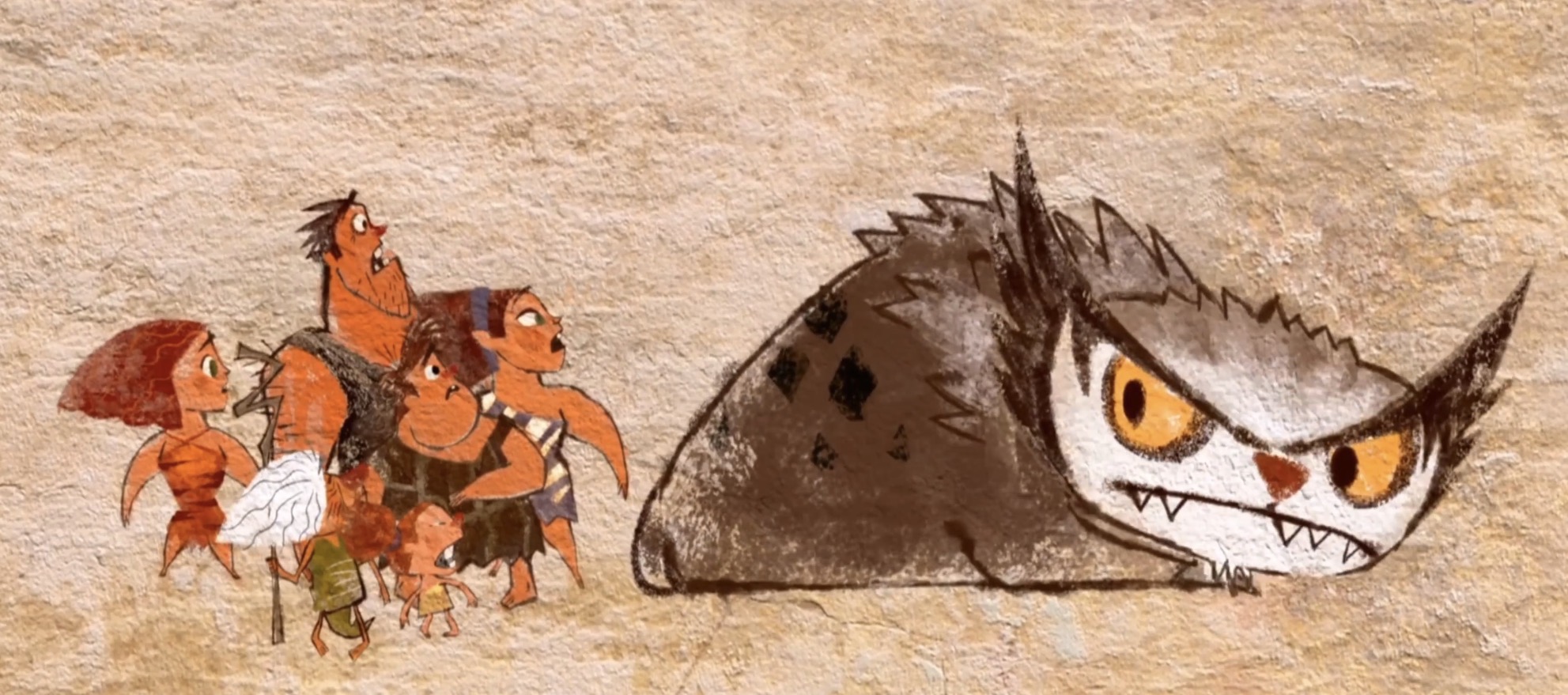
To ensure his family’s safety, Grug needed to worry a lot.
“Never not be afraid!”
He always said so to his family.
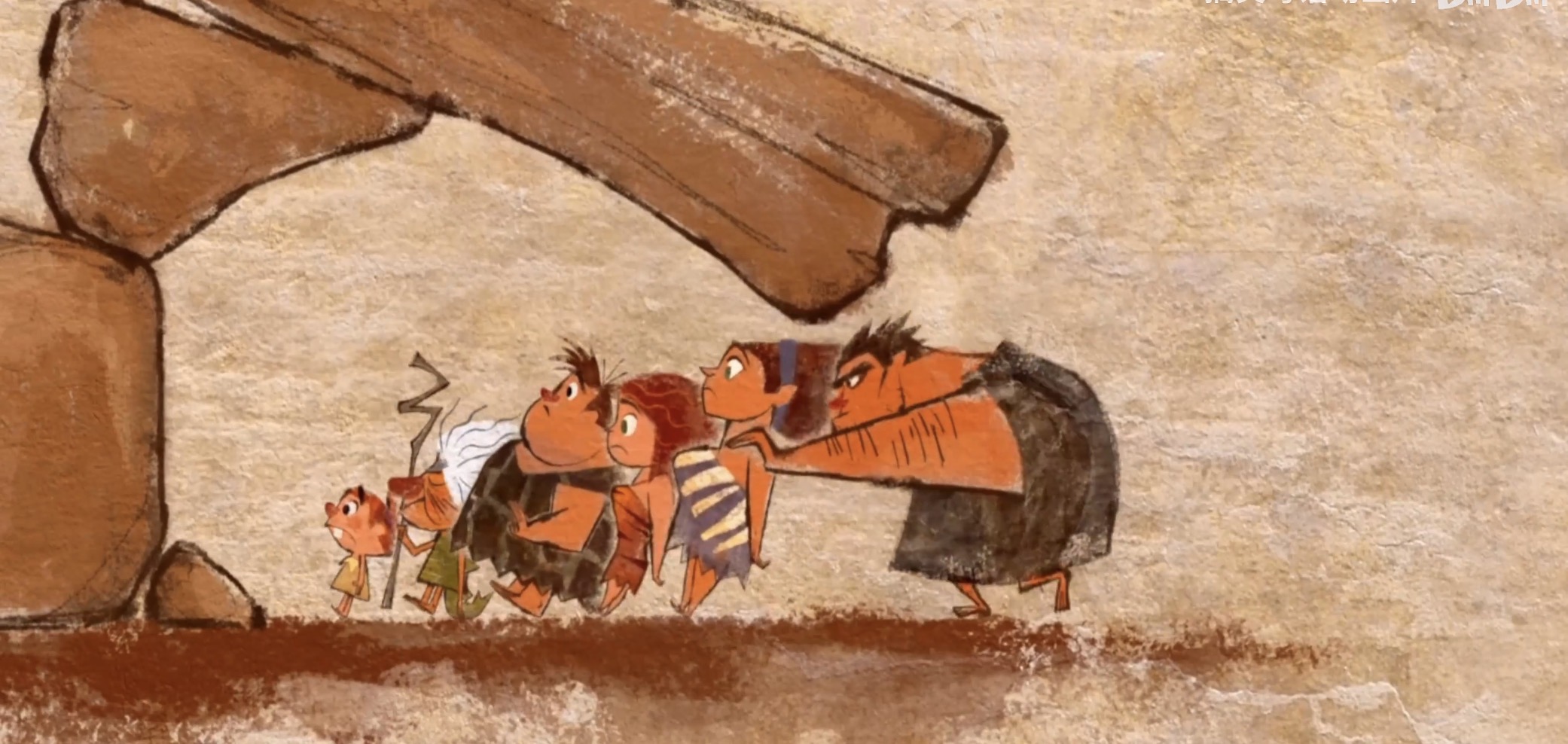
On the wall inside the cave, Grug painted pictures of every danger he could think of below:
- 01
What if we can’t hunt anything today?
There might be no food today.
- 02
What if we can't find any river outside?
We might get thirsty.
- 03
What dangerous animal might hurt us?
A snake could bite us.
- 04
What could happen if a big bird sees us?
A bird might carry someone away.
- 05
What could happen if it rains too much?
A river could flood.
- 06
What could happen to the trees around us?
A tree might fall on us.
- 07
What might Eep do if we don’t watch her?
Eep might wander off.
- 08
What might Thunk do if we leave him alone?
Thunk might do something silly.
Grug attached enormous value to these warnings and rules. Were they a little boring? Absolutely. But they also helped keep his family in a much safer position.
So how can we survive? That is a big question. Actually, maybe it’s too big to answer all at once. Break it down into several smaller ones, things suddenly become much easier to understand.
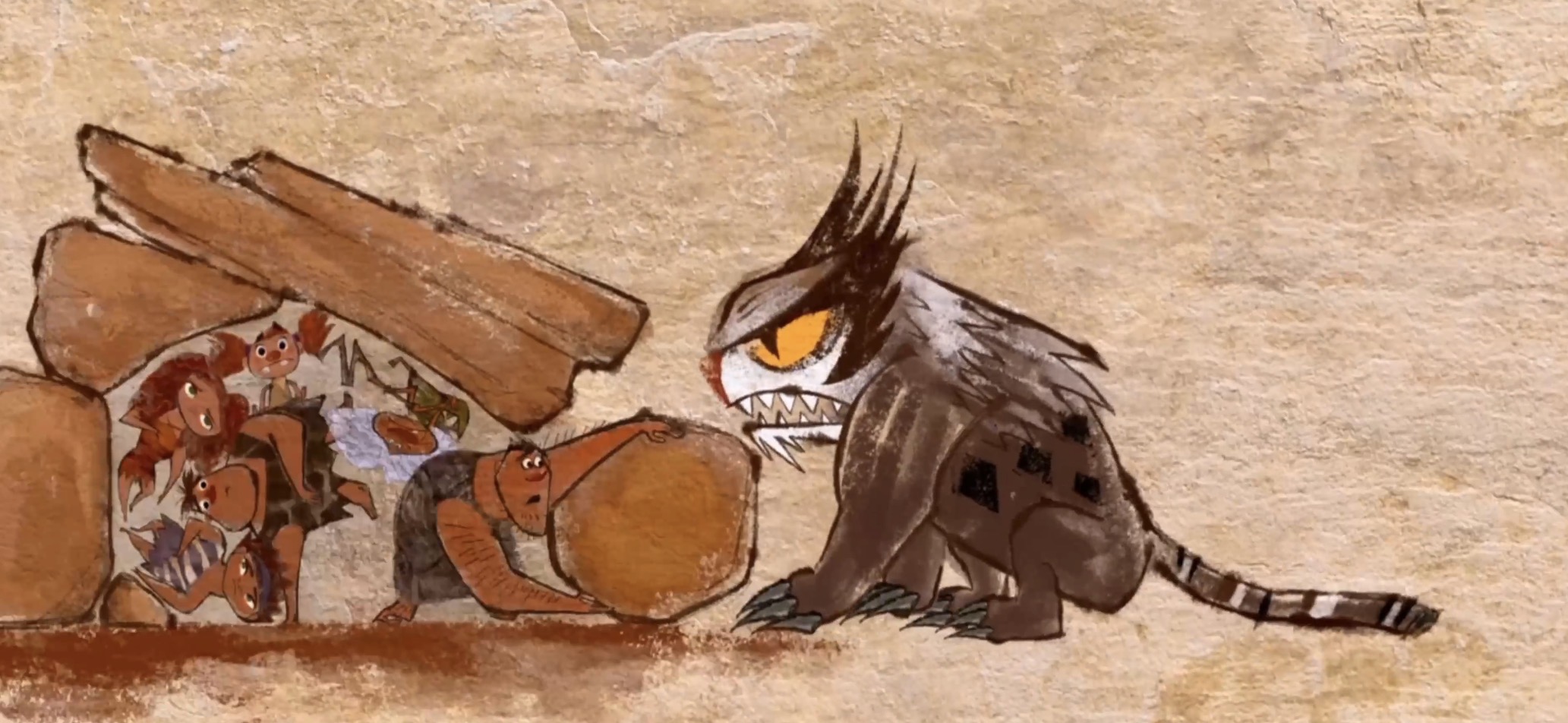
Alan’s Remark
Thanks for reading!
This lecture was supposed to be the beginning of our discussion this summer, but Alan didn’t finish writing his notes until near the end.
The concepts mentioned above are quite abstract and can be difficult to understand and distinguish. Alan tried many different ways to express his ideas, and what you just read is the third version.
However, perhaps the best way to truly understand these concepts is through more concrete examples from our daily lives.
Hope you’ll enjoy it!
Completed at 12:59 on August 10, 2026.